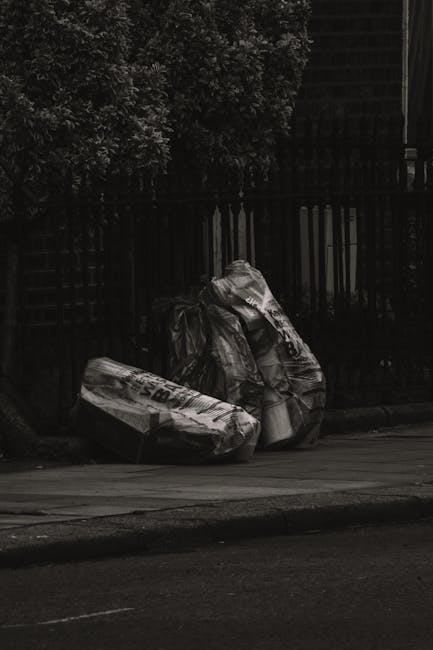
Chiswick High Road bulky rubbish pickup guide

If you live, work, or run a business near Chiswick High Road, bulky waste has a habit of appearing at the worst possible time. A broken sofa by the stairs. An old desk that will not fit through the door. A fridge sitting in the hallway, humming away like it still has a job to do. This Chiswick High Road bulky rubbish pickup guide is here to make the whole process feel a lot less stressful.
In plain English, bulky rubbish pickup is about getting large, awkward, or heavy items collected and removed safely, quickly, and with as little disruption as possible. Whether you are clearing a flat, refreshing an office, or finally dealing with the spare room that has become a storage unit, the right plan saves time, hassle, and often money too. Let's face it, nobody wants to spend a Saturday dragging a mattress down the stairs if there's a cleaner way.
Below, you'll find how bulky rubbish collection usually works, what to prepare, what to avoid, and how to choose the most sensible disposal route for your situation. I've also included practical examples, a checklist, and links to useful pages on this site where they genuinely help.
Why Chiswick High Road bulky rubbish pickup guide Matters
Chiswick High Road is busy, narrow in places, and rarely forgiving when large waste is left waiting around. A bulky item blocking a hallway, pavement, loading bay, or shop entrance is more than just an inconvenience. It can create access problems, safety risks, and a very obvious eyesore. In a stretch of road where flats, shops, cafes, offices, and older buildings sit side by side, good waste planning matters.
This guide matters because bulky rubbish is not the same as a normal bin bag. You are often dealing with items that are heavy, rigid, awkward to carry, or made from mixed materials. Think wardrobes, sofas, bed bases, reception furniture, exercise equipment, dismantled shelving, garden furniture, or damaged appliances. Some of these can be recycled or reused. Some need special handling. A few must be treated with extra care because of safety or compliance reasons.
There's also the practical side. If you wait too long, bulky waste tends to spread. One item becomes three. Then the room gets harder to walk through, and suddenly the job feels bigger than it really is. That is usually the point where people start looking for a proper pickup option rather than trying to do it piecemeal.
Expert summary: bulky rubbish pickup is easiest when you identify the item type, clear access, separate anything reusable or hazardous, and choose the collection method that fits the size and urgency of the job.
If you are comparing disposal routes, it can help to understand the difference between general waste removal and more item-specific services such as furniture clearance, mattress and sofa disposal, or fridge and appliance removal. The right fit depends on what you need gone, not just how much space it takes up.
How Chiswick High Road bulky rubbish pickup guide Works
Bulky rubbish pickup usually follows a simple sequence: identify the waste, assess access, choose a collection method, book the job, and have the items removed. Easy to say, a little less easy when there's a three-seater sofa wedged against a landing wall. Still, the general process is straightforward.
1. Identify the items
Start by listing exactly what needs to go. A short list is better than a vague one. "Old stuff from flat" is not enough detail for a sensible quote or collection plan. "Two armchairs, one king mattress, one small fridge, and broken shelving" is much more useful.
2. Check access and lifting conditions
Bulky waste pickup is as much about access as it is about volume. Stairs, tight corners, basement flats, narrow entrances, and limited parking all affect how a collection is planned. If there's a lift, say so. If the item is on the third floor and the lift is tiny, say that too. It saves time later.
3. Separate special items
Some waste can be collected alongside general bulky rubbish, while other items need more specific handling. For example, old electrical appliances, broken white goods, or anything that could be classed as hazardous should be flagged early. If you are unsure, treat uncertainty seriously rather than guessing. That's just good practice.
4. Book a collection slot
Depending on the provider, you may be able to arrange same-day or next-day pickup, or schedule a time that suits your building's access rules. If you are managing a business on or near Chiswick High Road, this part matters a lot. Loading restrictions, customer footfall, and opening hours can all affect timing. For commercial clearances, it may also help to review business waste removal and office clearance if you are clearing desks, filing cabinets, or meeting-room furniture.
5. Collection and loading
On the day, the crew will normally assess what is there, confirm anything unusual, and load the items for transport. Good teams work carefully around walls, floors, and communal spaces. That matters in older Chiswick properties where stairs and shared corridors can be a bit unforgiving, to be fair.
6. Sorting, reuse, recycling, and disposal
Once collected, items should be sorted for reuse, recycling, or disposal according to their material and condition. If environmental handling is important to you, check the provider's recycling and sustainability approach. It's a useful sign that the waste won't simply vanish into a black hole.
Key Benefits and Practical Advantages
There are a few clear reasons people choose a bulky rubbish pickup instead of trying to handle everything themselves. Convenience is the obvious one, but there's more to it than that.
- Less physical strain: Heavy items are hard on backs, wrists, and knees. One awkward sofa move can ruin your week.
- Faster room recovery: Once the bulky waste is removed, the space becomes usable again almost immediately.
- Better access management: Professional pickup avoids the "pile it in the corridor and hope for the best" approach.
- Cleaner finish: A proper collection tends to leave less mess than a rushed DIY attempt.
- Better sorting of waste: Items can be separated for reuse, recycling, or specialist disposal where relevant.
- Less stress around timing: If you're on a tight schedule, pickup gives you a clear plan rather than a half-finished weekend project.
There's also the peace-of-mind factor. A decent service should know how to handle awkward items, what needs extra care, and how to work safely in shared buildings or business premises. That's especially useful if you're handling a flat clearance, loft clearance, or a one-off home clear-out where the stairs already feel like enough of a challenge.
If the bulky waste is part of a bigger property clear-out, it can be worth looking at related services such as home clearance, house clearance, flat clearance, or garage clearance. They can be more efficient than booking item-by-item pickup.
Who This Is For and When It Makes Sense
This guide is useful for a fairly wide range of people, and that's because bulky rubbish shows up in all sorts of situations.
Homeowners and renters
If you're replacing furniture, moving out, decluttering, or clearing a spare room that has somehow become a storage cave, bulky pickup makes life easier. It also helps when you need an item removed quickly before a handover, inspection, or decorating job.
Landlords and letting agents
End-of-tenancy clear-outs often involve awkward leftovers: mattresses, broken wardrobes, old lamps, and miscellaneous items that were probably meant to be taken but never were. A reliable pickup keeps turnaround moving.
Businesses and offices
On Chiswick High Road, businesses may need to clear desks, chairs, shelving, stockroom items, or old appliances. In those cases, a planned collection is often far easier than trying to coordinate staff to do it themselves. If confidential documents are involved, it may also be worth reviewing confidential shredding for a more secure approach.
Trades and refurbishment projects
Builders, decorators, and fit-out teams often end up with bulky waste from stripped rooms, broken fixtures, or damaged packaging. For that kind of job, builders waste clearance is often the better fit.
When it makes sense to use pickup
- You do not have the right vehicle.
- The item is too heavy or awkward to move safely.
- You need it gone quickly.
- You're dealing with more than one item.
- You want a cleaner, more orderly removal process.
Truth be told, if you're already asking yourself whether it's worth trying to do it alone, that usually means the answer is probably no.
Step-by-Step Guidance
Here's a practical way to handle bulky rubbish pickup without overcomplicating it.
- Make a full item list. Write down each item, its approximate size, and whether it is whole, broken, or dismantled.
- Check what can be reused or donated. If something is in decent condition, it may not need immediate disposal. That's especially true for furniture clearance jobs.
- Measure access points. Doorways, hallways, stair turns, and lifts can all affect removal. A tape measure is boring, yes, but very useful.
- Separate specialist items. Fridges, freezers, mattresses, sofas, and potentially hazardous waste may need different handling. Look at fridge and appliance removal and hazardous waste disposal where relevant.
- Choose the right collection service. General waste removal works for some jobs, but furniture disposal or appliance removal may be more appropriate for others.
- Book with accurate details. Be honest about stairs, parking, access, and the amount of waste. This helps avoid delays on the day.
- Prepare the items. Remove loose contents, unplug appliances in advance, and clear a path to the exit.
- Confirm payment and service terms. If you want to understand how pricing is structured, take a look at pricing and quotes and payment and security.
- Stay available during collection. If questions come up, being on hand saves time. Or at least have someone authorised available.
- Check the area after removal. A quick look for screws, splinters, broken glass, or packaging scraps is worth doing. Small thing, big difference.
Expert Tips for Better Results
A few small habits make bulky rubbish pickup much smoother. These are the things people tend to forget, then wish they hadn't.
- Disassemble where it is safe to do so. Flat-pack furniture, bed frames, and shelving often move better in parts.
- Keep screws, fixings, and sharp edges together. Bag small hardware so it doesn't disappear under a radiator or snag someone's hand.
- Photograph awkward items before booking. A quick photo helps avoid misunderstandings, especially for mixed loads.
- Clear the route first. Shoes, plant pots, bins, and umbrella stands are the classic trip hazards. Everyone has them.
- Use service-specific support where it helps. For example, sofas and mattresses are usually easier to plan through dedicated disposal pages like mattress and sofa disposal.
- Think about timing around neighbours or customers. Early morning, school-run periods, and busy trading hours can make access more awkward than expected.
A small tip from real-world experience: if your bulky item is at the top of a stairwell, don't just focus on the item itself. Focus on the landing, the handrail, the wall corners, and the turning angle. Those are usually the bits that decide whether the job is easy or a bit of a faff.
And yes, sometimes the simplest choice is the best one. No need to invent a drama out of an old wardrobe.
Common Mistakes to Avoid
Bulky rubbish pickup is usually straightforward, but a few common mistakes can turn it into a headache.
- Being vague about the load: "A few things" is not enough. The more detail you give, the better.
- Forgetting about access: Tight staircases, resident parking, and restricted entry are easy to overlook.
- Mixing ordinary bulky waste with specialist waste: Appliances, electricals, and potentially hazardous items should not be treated the same way as a broken chair.
- Leaving it to the last minute: If you need a collection before a move, end of lease, or shop refit, don't leave it hanging until the night before.
- Skipping the prep: Loose contents, fragile parts, and obstructed access slow everything down.
- Not checking what happens to the waste: If reuse and recycling matter to you, ask about it early and review the provider's sustainability approach.
One more thing: do not assume every large item can just be dragged out as-is. A bit of planning avoids damage to walls, floors, and tempers. Nobody needs that.
Tools, Resources and Recommendations
You do not need a van full of kit to prepare for bulky rubbish pickup, but a few simple tools help.
- Measuring tape: useful for checking access and whether an item can fit through a doorway once rotated.
- Gloves: good for handling rough edges, dusty items, or old furniture.
- Basic screwdriver or Allen key: handy if you are safely dismantling furniture first.
- Strong bin bags or tubs: useful for screws, fittings, loose cables, and small components.
- Trolley or sack truck: useful for heavier items if your building access allows it.
- Phone camera: the quickest way to record what needs collecting.
If your clear-out is larger than expected, have a look at what can go in a skip as a useful comparison point, even if you eventually choose a pickup service instead. It helps you understand which items are commonly accepted in bulk disposal workflows.
For wider property jobs, these pages may also be helpful depending on the scenario: loft clearance for hard-to-reach stored items, garage clearance for cluttered outbuildings, and garden clearance for outdoor bulky waste like broken planters, fencing offcuts, or worn furniture.
Law, Compliance, Standards, or Best Practice
For bulky rubbish pickup in the UK, the main principle is simple: waste should be handled responsibly, safely, and by someone who is properly authorised to carry it. You do not need to memorise legislation to make a sensible choice, but you should pay attention to a few practical checks.
- Use a legitimate waste carrier: ask whether the provider is able to carry and dispose of waste properly.
- Keep records where relevant: businesses in particular should keep clear paperwork for waste transfers and collections.
- Separate hazardous items: things like chemicals, oils, asbestos-containing materials, and some electrical waste need extra caution.
- Protect shared spaces: in flats, offices, and mixed-use buildings, the pickup should minimise damage and disruption.
- Follow building rules: some properties require advance notice, loading restrictions, or resident approval.
Best practice is not just about compliance. It's also about not causing a nuisance, not damaging the building, and not making more work for the next person. A good service will already think that way. If you're assessing a provider, their health and safety policy and insurance and safety information can be reassuring indicators that they take the job properly.
Businesses should also think about security and disposal of sensitive materials. That includes paperwork, archived files, and old office contents that may not belong in a general bulky waste load.
Options, Methods, or Comparison Table
There is no single "best" method for every bulky rubbish job. It depends on speed, volume, item type, and how much handling you want to do yourself. Here's a practical comparison.
| Method | Best for | Pros | Watch-outs |
|---|---|---|---|
| Single bulky item pickup | One or two large items | Simple, fast, low effort | May be less efficient for mixed loads |
| General waste removal | Mixed bulky waste and household clutter | Flexible and convenient | Special items may need separate handling |
| Furniture clearance | Sofas, tables, wardrobes, chairs | Good for room or property refreshes | Condition and material affect next steps |
| Appliance removal | Fridges, freezers, washing machines | Safer for heavy electricals | Not all appliances are treated the same way |
| Full home or office clearance | Larger moves, refurbishments, end-of-tenancy jobs | Efficient for bigger projects | Needs clearer planning and access details |
If your situation includes multiple room types, it may be better to think in terms of the whole property rather than just the one item causing the most irritation. A sofa today, a bed tomorrow, and then the filing cabinet nobody remembers ordering. It adds up quickly.
Case Study or Real-World Example
Here's a realistic example. A small office off Chiswick High Road is replacing seating and workstations after a layout change. The team has two broken task chairs, three desks, one filing cabinet, a printer unit, and a few boxed accessories in the corner. On paper, it doesn't sound like much. In the room, though, it fills a surprising amount of space.
Instead of trying to move everything through reception during business hours, the office manager does three things first: checks access for the lift, photographs the items, and separates anything sensitive for shredding. Then they arrange a collection time that avoids the midday rush. The result? Less disruption, no awkward corridor traffic, and the team can get back to work without a half-finished pile lingering for days.
The same logic works for homes. A family in a Chiswick flat might have an old mattress, a wardrobe, and a broken freezer waiting in the hallway after a bedroom refresh. If those items are picked up together, the flat feels bigger the same day. That immediate relief is often what people remember most. Not the logistics. The relief.
For mixed domestic jobs, a combination of furniture disposal and home clearance can sometimes be the cleanest route, especially if the space needs to be handed over or redecorated quickly.
Practical Checklist
Use this quick checklist before your pickup day.
- List every bulky item clearly.
- Note any stairs, lifts, narrow doors, or restricted access.
- Separate reusable items from rubbish.
- Flag fridges, freezers, mattresses, sofas, and electrical items.
- Remove loose contents and personal belongings.
- Make sure pathways are clear.
- Check parking or loading arrangements.
- Keep your phone handy for collection-day questions.
- Review pricing, payment, and any service conditions.
- Confirm what will happen to recyclable or reusable items.
If you tick off those points, you are already ahead of most last-minute clear-outs. And that, honestly, makes the day much calmer.
Conclusion
A well-planned bulky rubbish pickup on or near Chiswick High Road is really about three things: clarity, access, and choosing the right service for the job. Once you know what is being removed, how the property can be accessed, and whether any items need special handling, the rest becomes much more manageable.
Whether you're clearing a single sofa, emptying a garage, or managing a full office refresh, the smartest move is usually the simplest one: prepare properly, ask clear questions, and use a service that treats the job with care. That way, you get the space back without the usual weekend chaos.
If you are ready to move things along, compare your options, check the relevant service pages, and book the collection that fits your timeline and access needs.
Get a free quote today and see how much you can save.
And if all you want is the room back and a bit of breathing space again, fair enough. Sometimes that's the whole point.
Frequently Asked Questions
What counts as bulky rubbish on Chiswick High Road?
Bulky rubbish usually means large or awkward items that do not fit in a normal household bin. Sofas, wardrobes, mattresses, desks, chairs, and appliances are common examples.
Can I book a bulky rubbish pickup for just one item?
Yes, many pickups are arranged for a single item, especially if it is heavy, awkward, or difficult to move safely. A lone sofa or fridge is a very normal request.
Do I need to move the item outside before collection?
Not always. That depends on the service and your access arrangements. Some collections are from inside the property, while others require items to be ready at ground level. Always confirm this in advance.
What should I do with old fridges or freezers?
Fridges and freezers usually need a specific removal approach because they are appliances and may contain materials that should be handled carefully. It is better to use an appliance-focused service than to guess.
Can bulky rubbish pickups include sofas and mattresses?
Yes, but they are often better handled as dedicated items. Sofas and mattresses can be awkward to move and may have different disposal pathways, so clear them as separate items when booking if possible.
How far in advance should I arrange a pickup?
If the job is urgent, you may be able to arrange it quickly. For planned clear-outs, booking a little ahead gives you more flexibility, especially if access or parking is limited.
What if my property has narrow stairs or no lift?
That is important to mention before booking. Narrow stairs, tight bends, and upper-floor removals affect the time and effort needed, so accurate details help prevent delays or surprises.
Is bulky rubbish pickup suitable for office clear-outs?
Yes. It is often used for desks, chairs, storage units, and general office furniture. If you are clearing a workplace, business-specific removal or office clearance may be the more practical option.
What happens to the items after collection?
That depends on the condition and material of the waste. Some items may be reused, some recycled, and others disposed of responsibly. If sustainability matters to you, ask about the sorting process.
How do I avoid extra charges or delays?
Give a full description of the items, mention access issues early, and be honest about quantity and type. The more accurate the booking details, the smoother the collection tends to be.
Can bulky rubbish pickup help with end-of-tenancy clearances?
Absolutely. It is often the quickest way to remove leftover furniture, broken items, and odd bits that need to be gone before a handover. Timing is usually the key thing there.
Where should I start if I have several different types of waste?
Start by separating the waste into groups: furniture, appliances, general bulky items, and anything potentially hazardous. Then match each group to the most suitable service, rather than treating everything the same way.
For more information about our approach and service standards, you can also review the pages on about us and contact us if you need to discuss a specific clearance situation.